 ramakaterra
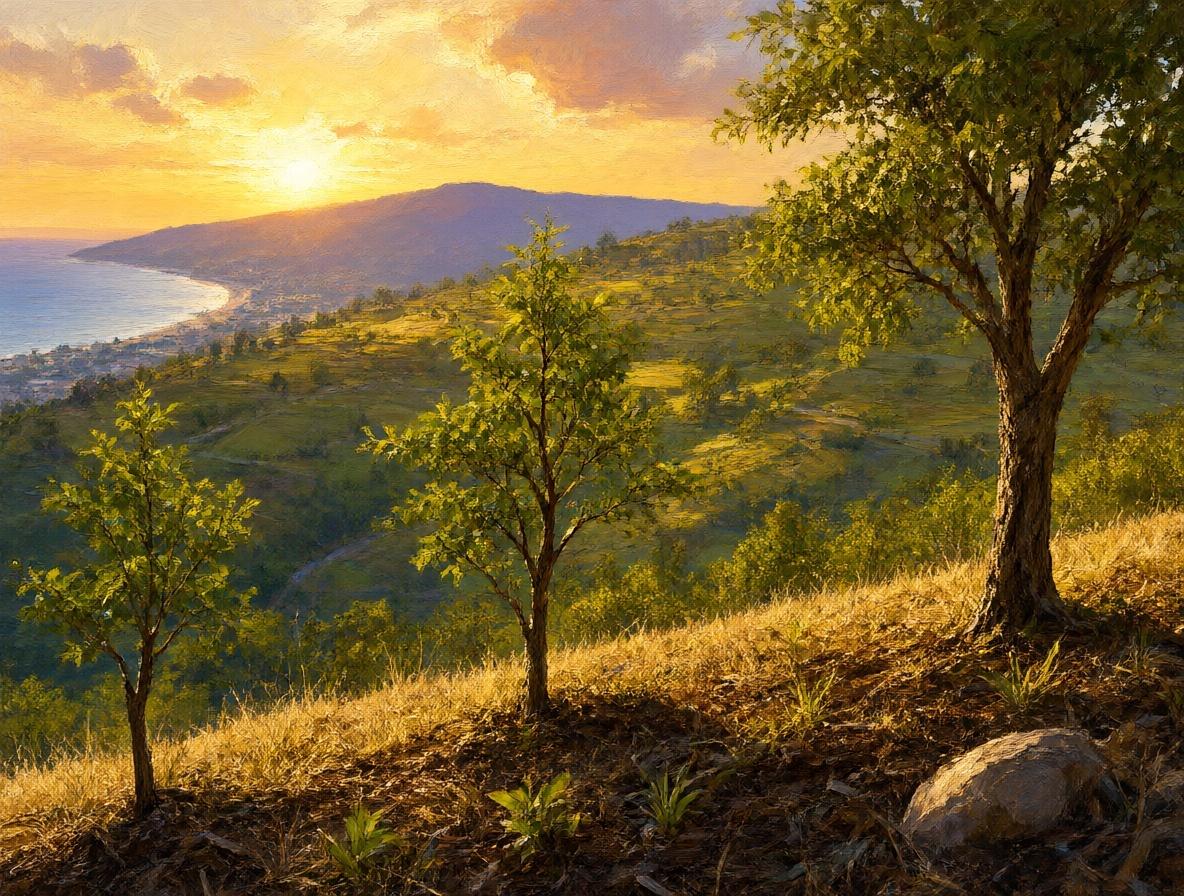
The Ground Beneath the Grass: Rebuilding Soil on Worn-Out Nicoya Pasture
כתבה זו זמינה כרגע באנגלית בלבד.
Most land for sale on the Nicoya Peninsula comes with the same quiet problem, and it is not the one buyers worry about. It isn't the title or the access road. It is the soil.
Walk a typical parcel here in the dry season and you can feel it through your boots: ground packed hard as a patio, a thin stubble of pale grass, and underneath, almost nothing alive. This is the inheritance of a century of cattle. Between roughly the 1920s and the 1950s, ranchers across Guanacaste and Nicoya seeded their pastures with jaragua (Hyparrhenia rufa), a tough African grass that thrives on heavy grazing, drought, and fire. It fed the cattle boom that cleared most of the region's dry forest — more than 63,500 hectares of it, the vast majority turned to pasture. The grass did its job. But decades of hooves, sun, and the annual dry-season burn left the ground compacted, stripped of organic matter, and quick to shed its topsoil in the first hard rains.
If you've bought a piece of that, here is the honest version of what it takes to bring it back — and why it is slower, and more rewarding, than it looks.
Stop the bleeding first
The first moves cost nothing and matter most: stop grazing it, and stop burning it. Jaragua dries to tinder early in the dry season, which is exactly why ranchers set it alight — fire flushes a green bite of regrowth. But every burn also torches the surface organic matter you are trying to build, and keeps the soil locked in the same depleted loop. Left unburned and ungrazed, even worn pasture begins to accumulate litter — dead grass that, instead of going up in smoke, breaks down into the first thin layer of new topsoil.
Keep it covered, slow the water
Bare ground is the enemy. Under the tropical sun, exposed soil bakes and its biology dies; in the violent wet-season storms — the peninsula takes most of its roughly 2,000 to 2,400 millimetres of annual rain in just a few months — it erodes. The goal is to keep something living or mulched over the soil at all times: let the grass grow tall and chop it down in place, sow fast cover crops, lay mulch and lay it again. On sloped land, the water itself has to be slowed so it soaks in rather than sheeting off — simple contour planting and shallow ditches do most of that work, a subject worth its own guide.
Put the trees back — the fast way
The single most effective lever on degraded tropical pasture is nitrogen-fixing trees. Planting fast legume pioneers — madero negro, poró, guaba — alongside slower species has been shown to restore cover to eroded tropical pasture quickly, and without fertiliser. They throw early shade, which cools the ground and holds moisture through the dry months, and they pull nitrogen from the air and feed it back into the soil as their leaves fall. (These are the same workhorse trees in our piece on nitrogen-fixing species.) This is the heart of silvopasture — trees, grass, and, if you like, animals together — which research across the tropics consistently ties to rebuilding soil carbon and nitrogen on worn ground.
Feed the biology, and wait
Soil is not dirt; it is a living thing, and reviving it means feeding what lives in it. Compost, decomposing mulch, and tree litter bring back the fungi, worms, and microbes that do the real work of building structure — while tillage, which burns through organic matter fast in the tropical heat, mostly sets you back. Then comes the hard part: patience. The recovery runs on two clocks. Fast-cycling functions — soil carbon, the churn of nutrients and litter — can climb a long way back inside roughly fifteen to twenty years. Soil nitrogen, the nutrient these trees exist to replace, is the patient one: a long-running chronosequence in Santa Rosa, Guanacaste, puts dry-forest soil at barely a quarter of its mature nitrogen after three years, and reckons full recovery in decades, not seasons. Silvopastoral systems, meanwhile, typically take three to six years before they hit their stride. Soil organic matter builds slowly in this climate, because the same heat that bakes the ground also burns through organic matter quickly.
There is no shortcut, only a reliable way
None of this is fast, and anyone selling you a quick fix is selling something else. What it is, is dependable: cover the ground, stop the fire, put the trees back, feed the life below, and give it years rather than seasons. The land here has done this before — the dry forest that the cattle replaced grew on soil that trees themselves had slowly built. Do the same work, in the same order, and the ground beneath the grass remembers how to come back to life.
A note on sources and method: the figures here draw on published research — CABI's invasive-species datasheet on jaragua grass (Hyparrhenia rufa, introduced from Africa in the 1920s); Calvo-Alvarado et al. (2009), Forest Ecology and Management, on Guanacaste and Nicoya's dry-forest conversion to pasture (more than 63,500 ha, roughly 84% of it to pasture); the Santa Rosa, Guanacaste dry-forest soil chronosequence on nitrogen-recovery timescales; and peer-reviewed field trials on silvopastoral soil carbon and nitrogen restoration in the tropics. Recovery rates and timeframes are regional findings, not guarantees: every parcel starts in a different condition and responds on its own schedule. This essay was drafted with the help of AI and reviewed before publishing.