 ramakaterra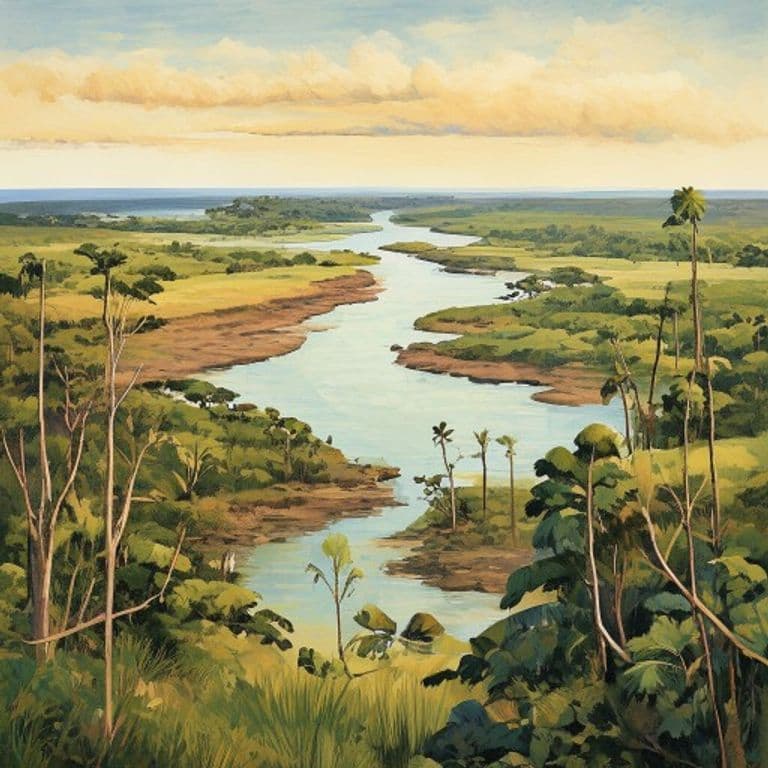
Curú: The Ranch That Decided to Be a Refuge
Most of Costa Rica's protected land belongs to the state. Curú does not. Tucked into the southeast corner of the Nicoya Peninsula, a short way up the coast from Montezuma, the Curú Wildlife Refuge is a working ranch that turned itself into a nature reserve — and in doing so became the first private national wildlife refuge in the country.
The story starts in 1933, when Federico Schutt de la Croix settled the land. At the time the surrounding forest was valued mainly for its hardwoods, and a lumber company was cutting through it. Schutt did something unusual for the era: he began replanting, mixing native and introduced species back into land that was being stripped. The family kept farming the high ground — cattle, bananas, oil palm — while deciding that the lowlands, the mangroves and the coast, should be left for the animals. In 1983 that arrangement was made official and Curú was recognized as a protected refuge. It is still owned and run by the Schutt family today.
What that century of restraint produced is a genuinely rare thing: a small reserve where several habitats meet in one place. Roughly three-quarters of Curú's land is kept as forest, most of it tropical dry forest — the same disappearing habitat that makes this whole peninsula ecologically important — laced with mangrove channels, pasture, and a scatter of quiet beaches. The refuge is threaded with a network of well-marked walking trails carrying names like the Manakin Trail, the Ceiba Trail, and the Crab Trail, so a visitor can cross from dry forest to mangrove to shoreline on foot in a single morning.
The wildlife is the point. White-faced capuchin and mantled howler monkeys move through the canopy; white-tailed deer, armadillos, coatis, and the occasional boa constrictor use the forest floor; and the trees fill with birds — well over two hundred species have been recorded here. Curú has also been part of active reintroduction work: scarlet macaws and spider monkeys, both once pushed out of much of the region, have been returned to this stretch of coast and can be seen in and around the refuge.
Curú is also the mainland launch point for Isla Tortuga, the white-sand island offshore, and boat day-tours to the island run from here. But the refuge is worth the visit on its own terms — not as a stop on the way to somewhere prettier. It's a small, unglamorous, deeply intentional piece of land, proof that a place can earn a living and still choose to protect what lives on it.
If you go: Curú is a private refuge with an entrance fee, open for day visits; trails are self-guided or guided. A few trails and beaches (such as Playa Quesera) open only by reservation, so it's worth checking access before arriving.
Made using AI.
Sources
- Wikipedia — Curú Wildlife Refuge (founded 1933 by Federico Schutt de la Croix; established as refuge 1983; first private national wildlife refuge in Costa Rica; ~1,100 ha; protected mammal/bird species): en.wikipedia.org/wiki/Cur%C3%BA_Wildlife_Refuge
- Two Weeks in Costa Rica — Curú National Wildlife Refuge (forest types, trail names, 75% forest cover, Isla Tortuga day tours, Playa Quesera by reservation): www.twoweeksincostarica.com/curu-national-wildlife-refuge/
- Visit Costa Rica — Curú National Wildlife Refuge (area, deciduous/semi-deciduous forest and mangrove, scarlet macaw and spider monkey reintroduction): www.visitcostarica.com/blog/curu-national-wildlife-refuge
- History of Curú (Schutt family reforestation, sustainable hardwood/banana/oil-palm use, lowlands protected for wildlife, family conservation vision): riccostaricafieldw.wixsite.com/mysite/history-of-curu